
My Grass Farm Farm Layout Guide
A tight starter plot beats a scattered empire. Here is how to plan a layout that actually works.
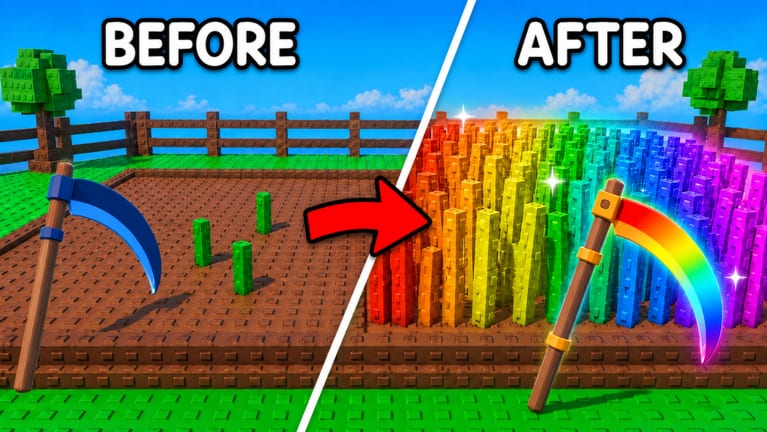
Farm layout in My Grass Farm is about efficiency, not aesthetics. A compact plot where every corner is reachable beats a sprawling farm where workers wander past uncut tiles. This guide covers how to think about layout from first spawn to multi-zone expansion, based on how the actual game systems interact with space.
The game launched on 23 July 2026 as a Roblox tycoon where you cut grass, process hay, hire workers, and expand land. How you arrange that loop across your available tiles affects how fast workers can path, how easily you can collect stands, and how quickly the silo converts what your crew cuts. A bad layout does not just look wrong—it costs you time and Cash every session.
Pair this with how to expand your farm for the expansion decision and the offline farm checklist for what to check after any layout change.
The compact starter principle
Start with a small, dense layout. Keep production plots, access lanes, and the silo close together. Short travel routes mean faster collection, faster processing, and less time walking past uncut grass. When you spawn on a new plot, the tutorial drops you into a small fenced area. That size is not a limitation—it is a feature. Learn the loop tight before you spread out.
The worst early mistake is expanding before the starter layout works. A big farm with collection jams or a slow silo is just a larger version of the same problem. Players who buy land before workers can fill the original fence end up with expensive empty tiles and no additional income.
Four functional zones
Every farm needs space for four things. When you are planning your first layout or evaluating whether to expand, check which zone is actually the constraint.
Production — the grass beds where cutting happens. This is the core loop. Workers need clear access to grass tiles or they spend time walking instead of cutting. If workers keep missing corners, the problem is usually access, not the number of workers.
Access — lanes so you and workers can reach every edge. Wide access lanes reduce the chance workers get stuck on geometry or take circuitous routes to grass. If you notice workers camping one corner of a new expansion, check whether they have a clear lane to the rest of the plot.
Processing — the silo and stand area where hay becomes Cash. The silo is where the farm converts cut grass into spendable currency. If the silo is far from where workers are cutting, you add travel time to every offline return. Keep it central or on the edge closest to where workers spend most of their time.
Expansion buffer — reserved room for the next expansion without disrupting the current layout. Before you buy the first land expansion, mark where the next one goes. If you expand without a plan, you will end up with a silo in the middle of two disconnected production zones, which makes collection a scavenger hunt.
Access lanes
Workers pathfind. The game does not publish pathfinding mechanics, but community observation shows that narrow gaps between structures can cause workers to slow down or take longer routes. Wide access lanes—even just two to three tiles wide—reduce the chance they get stuck or choose a longer path.
This matters most after expansion. When you add new tiles, check whether the connection between old and new production areas is as wide as the original fence gap. A single-tile bottleneck between two large zones is a daily inefficiency that compounds across every offline session.
When to expand
Expand when the current layout is consistently busy—not when it looks empty. A full starter bed with workers actively cutting is the signal to add space. An empty expanded plot is a Cash sink that looks like progress in the shop preview but produces nothing because the crew cannot fill it yet.
The expand farm page has a full checklist for the decision. The short version is: if workers are finishing the current fence and still have idle time, the layout is not the constraint—adding more tiles before adding more workers or more Cut Speed will just create a larger empty area.
Balancing production and processing
More production without more processing just builds a bigger hay pile. Each expansion should come with a Silo Rate check: can the current silo handle the new volume? If workers cut 50% more grass but the silo processes at the same rate, you are just building a larger backlog. Raise Silo Rate first or plan to collect more frequently after expansion.
This also applies to stand collection. If stands are full before expansion, adding more production tiles without addressing collection frequency will just create more uncollected value sitting on the plot. Walk the collect stands checklist before you buy land.
Layout and offline farming
The offline farm checklist matters more on complex layouts. A multi-zone farm needs workers with clear paths, stands within reach, and a silo that can handle eight hours of worker output. Run the checklist after any layout change and watch whether workers cover the new area or migrate back to the old zone.
If workers consistently ignore the new zone after expansion, the issue is usually access or grass density, not worker count. Add wider lanes or check whether the new tiles have enough grass to make the path worthwhile.
What a good layout looks like
You return from offline to cut-ready hay across connected beds, not scattered tiles workers skipped. Cash from processing pays the next blade rank. Rare types, if you have them, occupy space workers actually visit. Access lanes are wide enough to jog through. The silo is central or on the active edge. Stands are collected without needing a full exploration lap.
Build tight first. Expand only when tightness becomes a constraint. The farm is the point—not the view from above. A compact farm that runs cleanly beats a sprawling layout that generates screenshots but no Cash.
Frequently Asked Questions
Quick answers to the most common farm questions.
What is the best starter layout in My Grass Farm?
A compact layout with production, access, processing, and expansion buffer close together. Short travel routes beat aesthetics. Keep the silo central or near the most active cutting zone.
Should I expand before my starter plot is full?
No. Expand when the current plot is consistently busy with workers actively cutting. An empty expanded plot is a Cash sink that looks like progress but produces nothing.
Why do workers skip corners of my farm?
Usually access lanes are blocked or too narrow. Workers pathfind—check whether there is a clear wide lane to every tile. Narrow bottlenecks cause workers to skip distant areas.
How does layout affect offline farming?
Complex layouts need clear worker paths, reachable stands, and a silo that handles eight hours of output. Run the offline checklist after any layout change and watch whether workers cover new zones.
How do I know if my layout is the bottleneck?
If workers consistently finish the current area with idle time but the farm feels slow, the issue is usually Cut Speed or silo rate, not layout. If workers skip areas even when the plot is not full, the issue is access.